
Salvador Dalí

‘There is only one difference between a madman and me. The madman thinks he is sane. I know I am mad.’
Salvador Dali is a Spanish artist and a central figure in the surrealist art movement. Dali’s oeuvre is characterized by its strange, dreamlike qualities, inspired by the Freudian theories of the unconscious mind. Inducing hallucinatory trances, Dali’s would create masterful works often featuring consistent and recurring motifs of barren landscapes, wooden crutches and melting objects.
Related Artists
- Pablo Picasso
- Man Ray
-
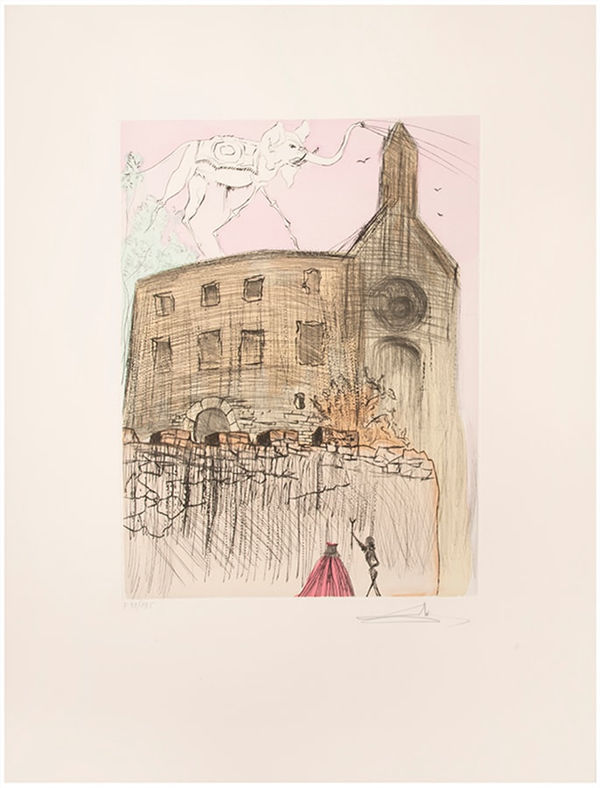
 Gala's Castle, from After 50 Years of Surrealism, 1974
 -
A Shattering Entrance to the USA, from After 50 Years of Surrealism, 1974
-
God, Time, Space and the Pope, from After 50 Years of Surrealism, 1974
-
The Sacred Love of Gala, from After 50 Years of Surrealism, 1974
-
The Museum of Genius and Whim, from After 50 Years of Surrealism, 1974
-
The Laurels of Happiness, from After 50 Years of Surrealism, 1974
-
The Curse Conquered, from After 50 Years of Surrealism, 1974
-
Freud with Snail-head, from After 50 Years of Surrealism, 1974
-
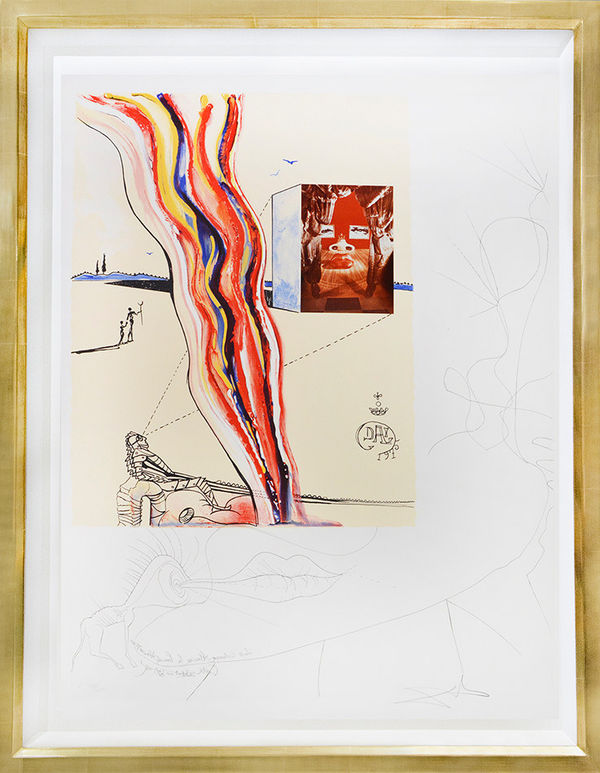
Liquid and Gaseous Television, 1975
-
Plate 19 – “Principio de incertidumbre de Heisenberg”, from Les Caprices de Goya, 1977
-
Plate 60 – “Relámpagos”, from Les Caprices de Goya, 1977
-
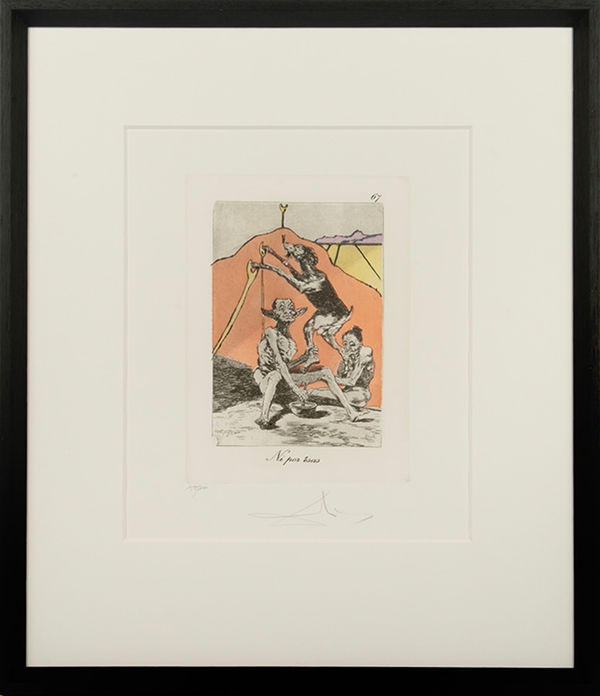
Plate 67 – “Ni por ésas”, Les Caprices de Goya, 1977
-
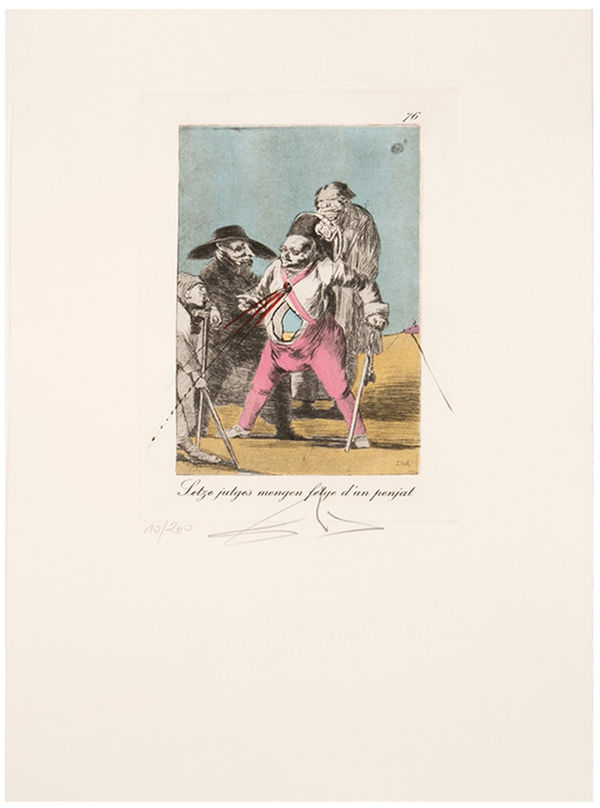
Plate 76 – “Setze jutges mengen fetge d’un penjat”, from Les Caprices de Goya, 1977




Send me more information on Salvador Dalí
Salvador Dalí was a Spanish artist and a central figure to the Surrealist art movement. Inspired by the Freudian theories of the unconscious mind, Dalí’s work is renowned for its bizarre, dreamlike qualities. Inducing hallucinatory trances, Dalí would create masterful works often featuring consistent and recurring motifs of barren landscapes, wooden crutches and melting objects. His precise technical skills and draughtsmanship have made him one of the most celebrated artists of all time.
Dalí’s list of retrospectives and exhibitions is extensive however the major retrospectives of his work have been held at the Tate Gallery, London (1980), the Centre Pompidou, Paris (1980) and the Staatsgalerie, Stuttgart (1989). A more recent centenary retrospective was held at The Ueno Royal Museum, Tokyo (2004-2006) and a thematic exhibition at the Museo del Corso, Rome (2025).